

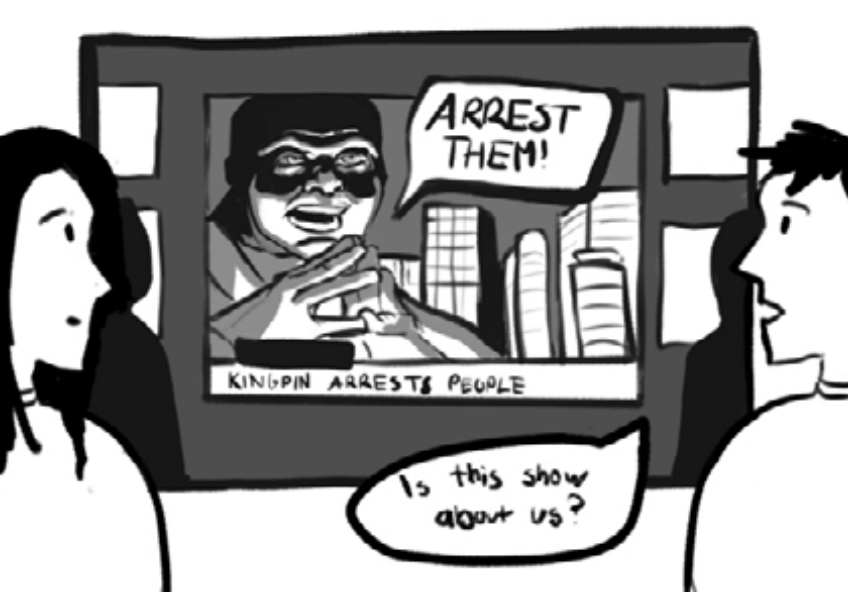

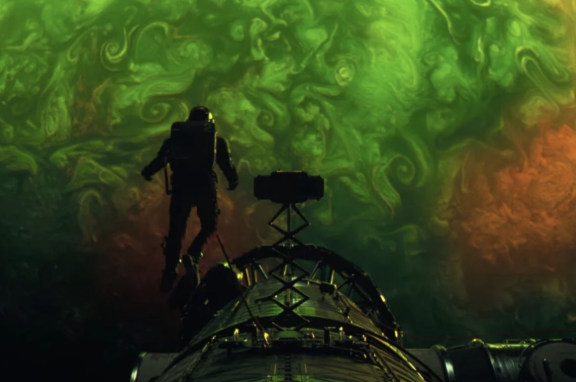
On May 5, the episode finale of the second season of Daredevil: Born Again premiered on Disney+. The show’s storyline centers around the administration of Wilson Fisk, who had previously been convicted of racketeering along with other crimes, as the mayor of New York. This season of Born Again features Mayor Fisk’s Anti-Vigilante Task Force (AVTF) raiding the streets in a search for Daredevil, his allies, and other vigilantes who had been labeled as enemies of the mayor and the city. Anyone who is labeled a perceived enemy of Fisk disappears (is abducted and stuffed in cages in warehouses). Sound familiar?
Well, it definitely did to me and other Daredevil fans. I remember watching the first season of Born Again with my dad back in March 2025, before I knew anything about Daredevil. The first episode ended with Fisk being elected and Matt Murdock’s heightened sense allowing him to hear the city’s reaction: some cried for joy, claiming that they voted for him because he was “interesting” and would stand by his promises to “fix the city.” Others screamed in fear. At this moment, I looked over at my dad, and I could tell we both had the same thought: the bewilderment at the election of a criminal, the call for “change,” whether it would be for the better or for the worse, and the piercing divide of supporters and opponents was all too similar to the election of President Trump back in 2024.
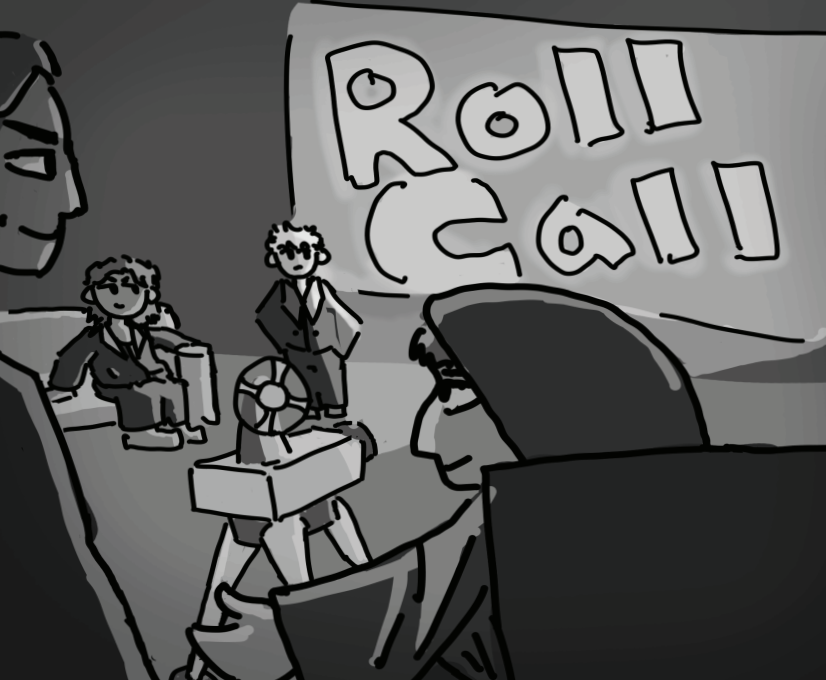
Later, in the first episode of the second season of Born Again, Fisk’s AVTF, clad in bulletproof vests with sprawling white writing, stormed into a Cypriot restaurant searching for someone who held important information about Daredevil’s cause. The owner of said restaurant, who was protecting the informant, spat in the Task Force’s face and called them fascists. Again, as I watched the scene unfold, I couldn’t help thinking of how this mirrored the actions of Immigration and Customs Enforcement (ICE) raiding and destroying workplaces in attempts to round up immigrants, whom President Trump has labeled as a threat to American safety. Both Fisk and Trump overreach into their citizens’ lives, framing their actions as prioritizing the safety of the people, when really, they cause more harm than good.
However, in an Entertainment Weekly article, Born Again showrunner Dario Scardapane commented on this scene, saying that it was intended “to echo the Turkish invasion of Cyprus.” Additionally, the Mayor Fisk comic storyline, which the Born Again show so far has been mostly based on, came out from 2017 to 2022.
While a certain current president was in power around that time, he hadn’t been convicted of anything… yet. Back then, the idea of a criminal gaining such political power belonged only on the pages of comics. Which begs the age-old question: Does art imitate life, or does life imitate art?
To better answer this, we can look to the words of Tony Gilroy, the showrunner of the Star Wars TV show Andor. Andor, like Born Again, had many of its themes reflect the events of the past two years, despite the show being written before Trump’s second term. Gilroy, like Scardapane, was asked about the depiction of authoritarianism in his show in an interview with The Hollywood Reporter, to which he responded: “So you get out your Fascism for Dummies book for the 15 things you do, and we tried to include as many of them as we could in the most artful way possible. How were we supposed to know that this clown car in Washington was going to basically use the same book that we used?”
The actions of the Trump administration have been seen before, and shows like Andor and Born Again just prove it. The cycle of authoritarianism and art is eternally persistent. One regime rises and falls; art draws from it; and another regime rises, using the same tactics as the first.
Stan Lee previously once said that comic books were meant to reflect the world outside our window, but in the end, they reflect the world of our ancestors as well. It is our job to ensure that they do not reflect the one outside the windows of our descendants.