




















For those who have read my column before, you’ll know that I review new releases from cutting-edge artists across a variety of genres who have taken music into new directions. I’ve spent much of my time in high school pushing my music taste beyond its boundaries, which I’ve tried to reflect in this column. However, I’ve returned to The Replacements time after time, specifically their 1984 masterpiece Let It Be.
I first found the Replacements through stumbling into their signature song “Swingin’ Party.” I liked it and put it on my playlist without much afterthought. It remained in my main playlist until the end of my freshman year, when I decided to check out more of their music. While “Swingin Party” is fantastic, it actually isn’t on Let It Be, but it helped guide me to that fantastic album.
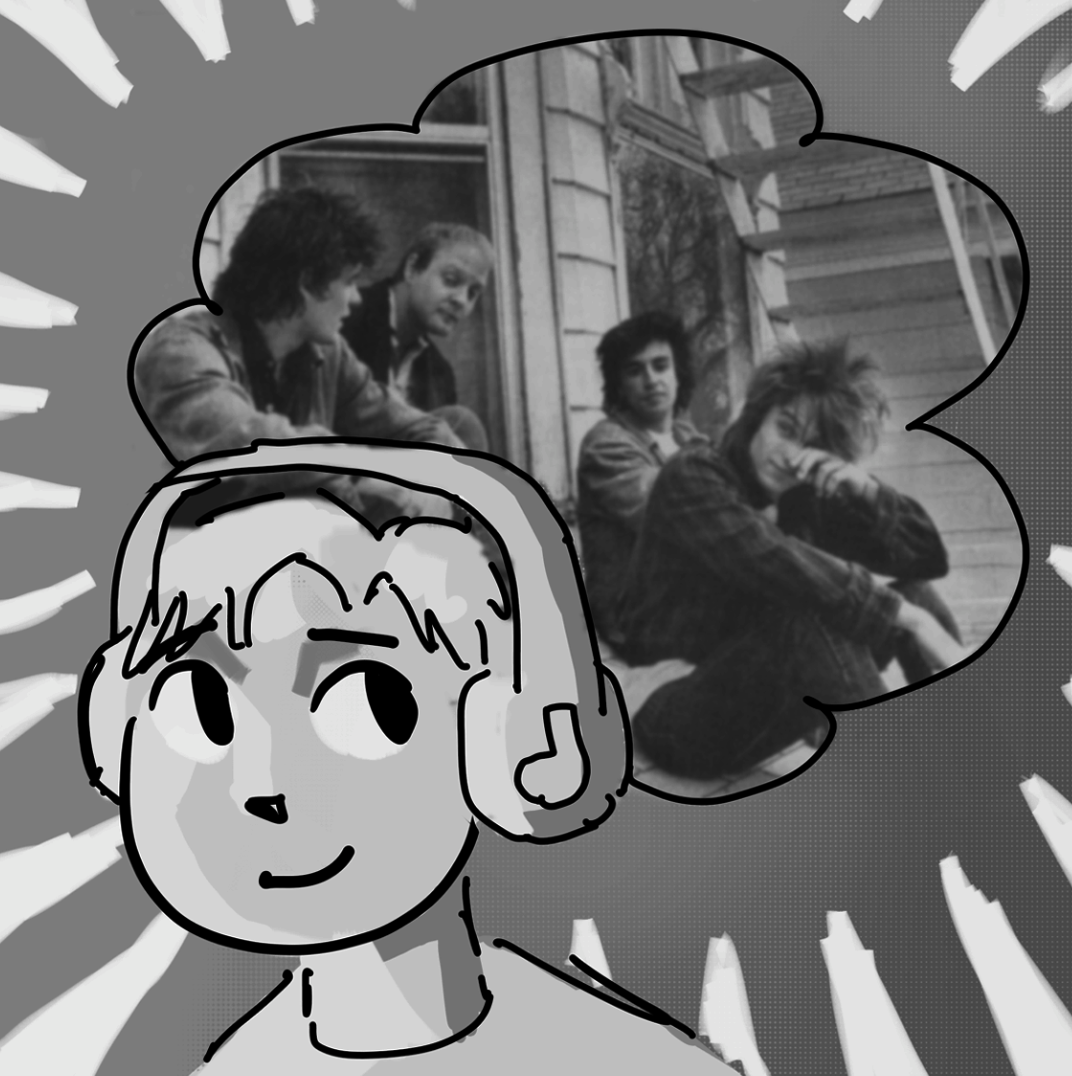
Consisting of Paul Westerberg, Bob Stinson, Tommy Stinson, and Chris Mars, the quartet formed in 1979. They contributed to Minneapolis’s hardcore scene during their nascent years and gained notoriety around the city for their drunken antics on stage during live performances. The band grew tired of hardcore, and Westerberg wanted to mature his songwriting, taking inspiration from the struggles of the world and people around him.
Now, Westerberg dropped out of high school, and worked as a janitor before writing this album at 25. Despite his age and status as a high school dropout, Westerberg understood the struggle of going nowhere, the joy of messing around, and the awkwardness and angst that pervade nearly every moment of maturing as a teenager.
The manic, coming-of-age energy is essential to understanding Let It Be. The band maintains the same punk ethos that they had from their start, and most of the songs are defined as punk. From Westerberg’s manic singing on “Favorite Thing” to the quick chaos of “We’re Coming Out,” Let it Be sounds like a punk album. Westerberg varies every song with his philosophy that songs should change at the end. After all, there’s no point in running out of your ideas halfway through the song and just repeating the same musical phrases. We love repetition in music, but the Replacements love twisting music by adding more to the song at the end.
Much of the album’s brightest moments come at its most depressing. “Unsatisfied” hooks the listener right from the start with a melancholy riff that stays captivating throughout the entire song. Westerberg sings about the generational apathy and pessimism of Gen X in the 80s. While these ideas became a lot more prevalent in the 90s, when every rock band on the charts sang about how angsty they felt, Westerberg’s emotions feel much more genuine.
The band had begun to change into the alt-rock style they became known for with Let It Be, so “Unsatisfied” also reflected their discontent with their musical style and lack of success to date. It’s an anthem for any discontent, and the song always evokes a strong sense of cloudy-day lethargy whenever I hear it. (And to all the English teachers, he didn’t use “dissatisfied” on purpose).
Much of Let It Be’s success comes from Westerberg’s lyrical genius. “Sixteen Blue” has aged brilliantly because its lyrics ring true generation after generation. Tommy Stinson, the band’s bassist, was only 16 when the band recorded the album, so Westerberg attempted to write a song about Stinson’s experiences. Sixteen marks an important age in the transition to adulthood, and the bleak nature of the track signifies how isolating many feel at this age, including myself at this time.
Let It Be is much more than just its pessimistic pieces. The cheerful guitar line of “I Will Dare” comforts the listener, and Westerberg’s playful demeanor indicates a more positive atmosphere. It even has a guitar solo by Peter Buck of R.E.M., one of the band’s contemporaries in pioneering alternative rock! “I Will Dare” encapsulates the blue-collar Midwestern life that the Replacements grew up in and tried to escape. Although they explored the themes of inequality and the dissatisfaction of Americans left behind by the system (Westerberg later coined the phrase “bastards of young” in another incredible Replacements song), Let It Be’s implicit exploration of these themes still captures the struggles excellently.
The raw energy of this album really lets it shine. Westerberg laid down his own struggles, and captured the soul of a country unsettled by the culture-conservatives of the Reagan presidency. One of the most forward-looking songs on the album is also one of Westerberg’s most vulnerable, “Answering Machine.” The song explores the isolation that digital communication creates and has one of his best lyrics: “How do you say I miss you to an answering machine?” We live in a world where technology has isolated us from each other even more than it did in the 80s, and social media has only accentuated the loss of vulnerability and sentimentality that Westerberg sings about. The demo version of the song on the deluxe edition highlights the vulnerability of “Answering Machine” even more, featuring only Westerberg and a distorted guitar through one microphone in a (presumably) desolate studio.
This album’s coming-of-age themes still ring true today and have soundtracked some of my best and worst moments over the past few years. The entire band’s combination of authentic lyrics, strong musicianship, and quality themes tie this album into a brilliant 33-minute package. The Replacements’ music still rings true today, as a deluxe box set of the album was released just last November!