



On February 19, 1942, President Franklin Delano Roosevelt signed Executive Order 9066, sending over 125,000 Japanese-Americans into internment camps across the United States.
Japanese-Americans sent away during World War II lost their homes, their savings, and their lives as they piled into remote camps and stayed as late as 1946. Camps had inadequate living conditions and overcrowded barracks, stripping people of both privacy and decency. The camps are often forgotten when reviewing the US’s involvement in WWII.
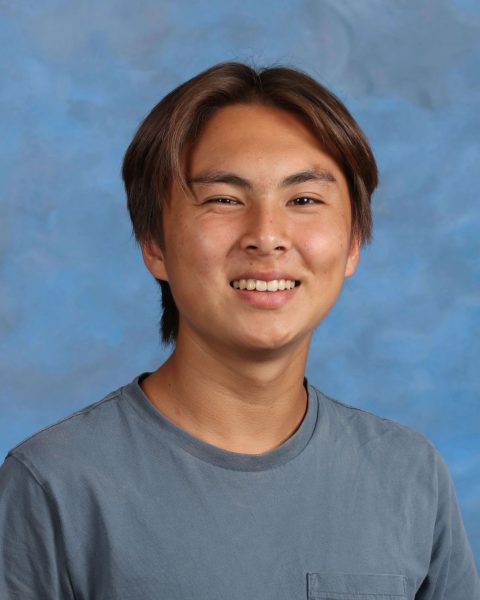
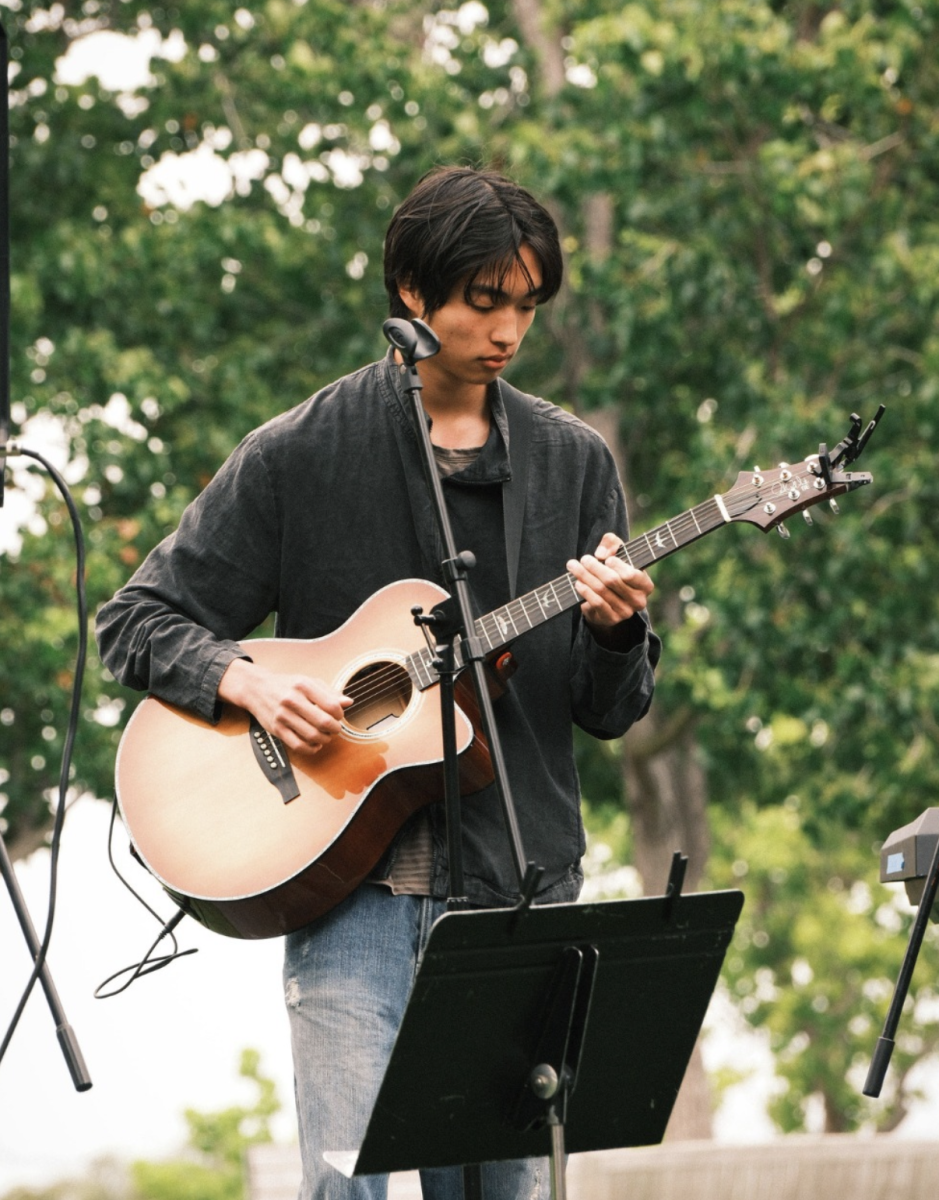
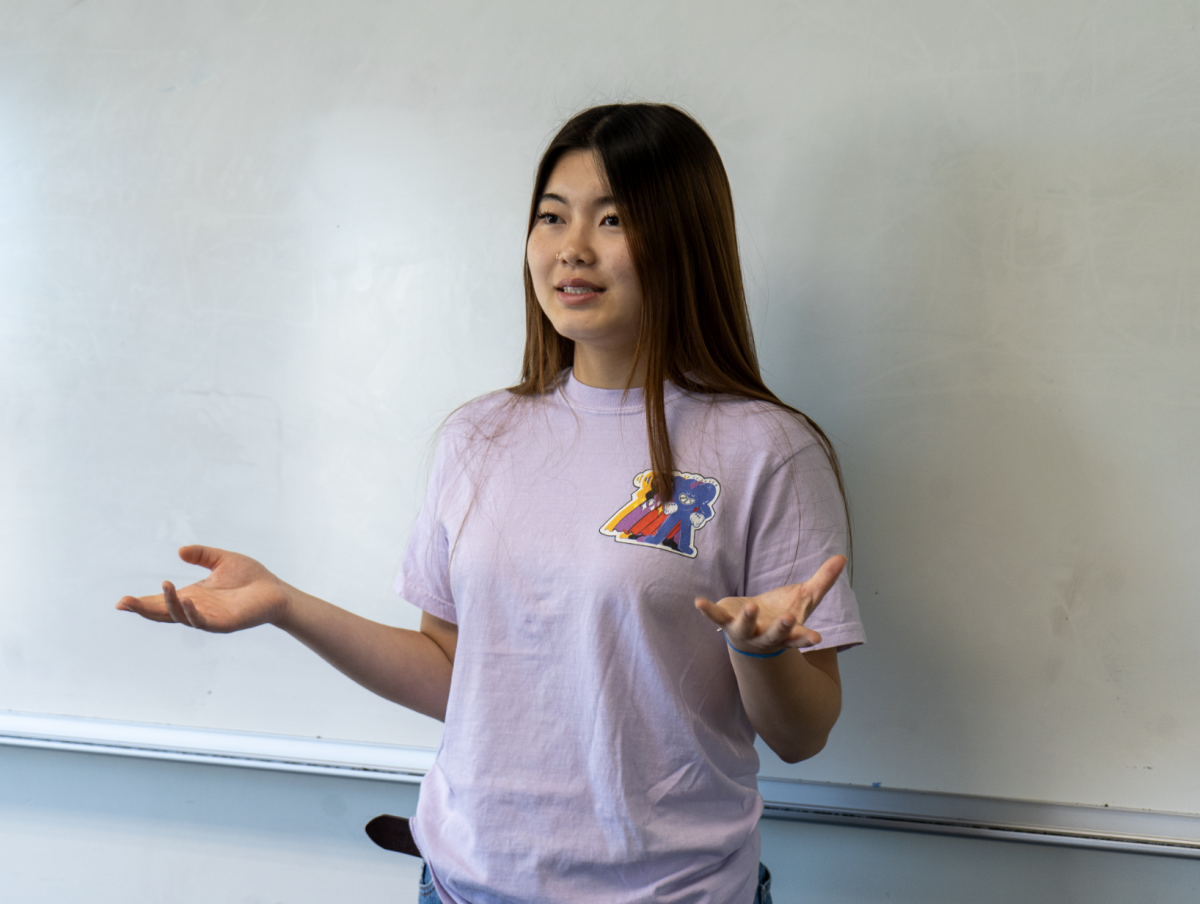
Yuta Takahashi ’26 wants to make sure we remember. For the last three years, he’s been at the forefront of a local movement to create a memorial in Torrance’s Columbia Park to honor the Japanese-Americans who were interned 83 years ago.
For the last two years, Takahashi has spoken with interned individuals, led workshops at schools in Japan and the US, and even co-directed and produced a short documentary film, all to rally support for the creation of the WWII Camp Wall Memorial.
“It’s a permanent way to remember the voices of those who are now fading away,” says Takahashi. “History can always be forgotten, and what we’re aiming to do is we’re trying not to let Japanese-American treatment be one of those issues.”
The memorial’s design is composed of ten reflective granite walls, each one representing the ten camps established by the US government during the war. Each wall will be lined with the names of the Japanese-Americans interned, ensuring their memory is preserved forever.
Placing the memorial in Columbia Park puts it in the heart of Torrance, which holds one of the largest Japanese-American populations in the US.
A major role model for Takahashi, as well as a key figure in the Camp Wall movement, was the late Kanji Sahara, who originally formulated the idea for the memorial in 2019 while working at a non-profit dedicated to remembering those who were interned.
Sakara and his family were interned in an Arkansas camp in 1942 when he was just eight years old.
“When they said that we were gonna be relocated or evacuated, I didn’t know what the words meant,” Sakara said in an interview with Takahashi in Jan. 2025.
“First, we were sent to San Diego. People were all put in temporary facilities. I think they had about 8,000 people living in the stables where the horses used to live, and they had about 10,000 people living in the barracks which were built [in Arkansas].”
Sakara’s interview became part of the 21-minute documentary co-directed and produced by Takahashi and released on June 29, 2025. The film, We See Us in US, features six interviews with people ranging from individuals sent to internment camps to city administrators overseeing the memorial’s creation to activists spreading awareness of Camp Wall.
“This is a documentary that’s supposed to represent the monument itself,” says Takahashi. “It’s sort of like the precursor to the physical structure in a way. It’s not only a project for ourselves but for the wider South Bay and Torrance community.”
The film was nominated for the Spark Award at the 2025 All-American High School Film Festival, being screened on Oct 18. 2025.
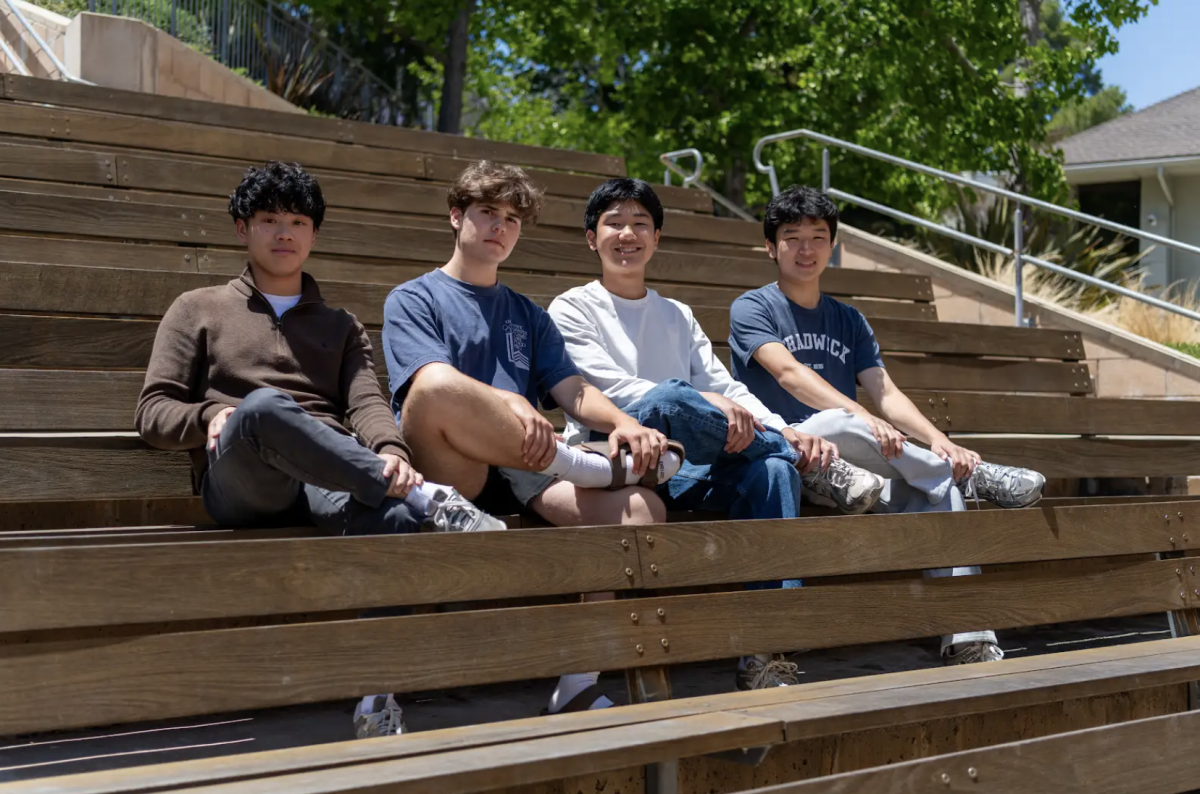
Along with this nomination, Takahashi and the WWII Camp Wall Youth Group have spoken to schools, camps, and other organizations to further advance awareness and education. The group hosts short lessons and Q&As to teach as many people about the camps as possible. These workshops, while primarily serving communities in the South Bay, have gone as far as Hongo Gakuen, a secondary school in Tokyo, Japan.
With the documentary and the youth group, Takahashi hopes to spread the word on the Camp Wall memorial. Additionally, he hopes that by educating his community about this mistake in American history, we can avoid making similar errors today.
“What we’re really trying to do is contextualize what happened [in the camps] into the world that we live in today,” says Takahashi.
“It isn’t just about Japanese-American internment; it’s also about: ‘Well, how do we use Japanese-American internment to change the way that we think about issues in the past? How do we use it to think about issues that are happening right now and the way we approach things?”