
















It’s April 7, 2026, and people suddenly stop aging or dying. No more people are born after this day. Time goes on indefinitely, and humanity’s progress eventually reaches a plateau.
By the year 17776, people in this world face an endless fight against boredom, working to entertain themselves with simple recreation. In the United States, this recreation takes the shape of uniquely formed and overly complicated football games.
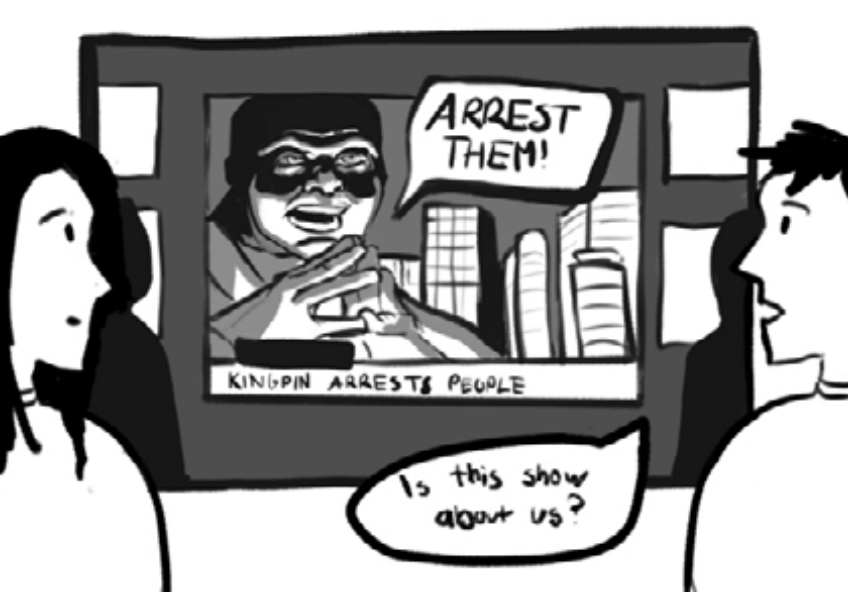
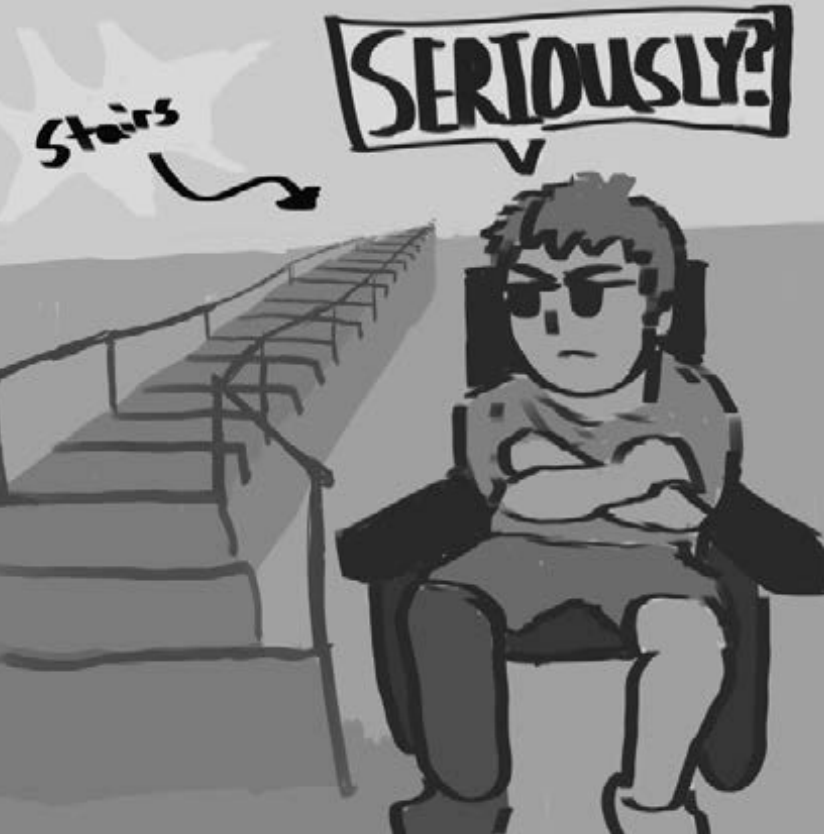
Jon Bois, an American sports writer, explores this reality in his multimedia webseries, 17776. It starts as a seemingly normal article about football on SportsBlogs Nation, an online sports media network, and quickly descends into an uncomfortable dystopian fiction regarding the nature of humanity. Bois takes full advantage of the website format to further his storytelling, using color-coded text, images, and videos. Through the narrative lens of three satellites, Bois explores the nuances of a world where mortality is no longer a concern.
Reading 17776 for the first time, I was initially confused. The story follows a disjointed, often nonsensical plot; however, I quickly fell into the world it portrays.
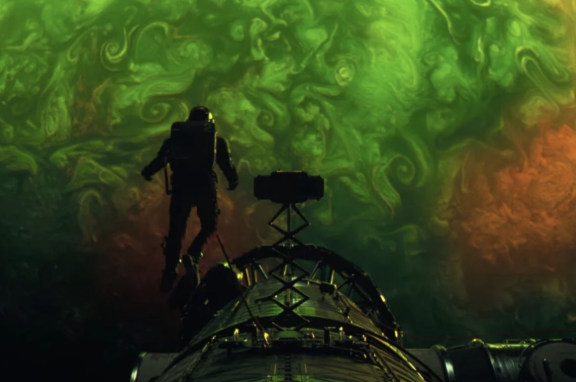
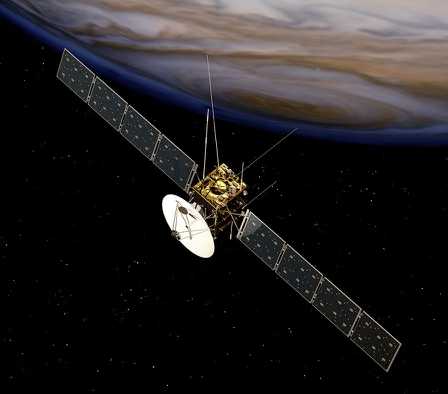
This series reads like a horror story with the unease of an endless existence serving as a disquieting backdrop for the lives of each character. Much like the humans in this story, the three satellite narrators, Pioneer 9 (Nine), Pioneer 10 (Ten), and Jupiter Icy Moons Explorer (JUICE), have no concrete purpose. They have each completed their missions and now, as Nine describes in Chapter 7, “perpetually hang out.”
The satellites float in space watching humanity like a reality show. In particular, they tune in to the new, incredibly convoluted iterations of American football; with end zones across states and footballs being shot from cannons on the top of Denali, football looks incredibly different in the future.
Bois draws parallels between these dramaticised games and those of today, showing how entertainment serves as a mechanism for people to bond and to cope with the nature of their existence. As JUICE describes in chapter 16, “the point of play is to distract yourself from play being the point.”
Despite the drastic change to the length of human life through the disappearance of death, 17776 portrays a world that is startlingly similar to our own. People continue to move through tedious—even unpleasant—moments of life: stubbing their toe, waiting in line, or seeing a CHECK ENGINE light.
When asked why technology has not significantly advanced in such a distant future, Ten responds, “If they advanced too much further technologically, those advances would inevitably intrude on humanity…They wanted those precious three minutes between asking a question and knowing the answer.”
Bois focuses on mundane, fundamentally human moments: conversations between friends, curiosity for the lives of others, and nonsensical football games.
17776 reveals that our humanity rests in these small moments and, even, that we need them to survive as a society.
In our increasingly artificial, digital world, I often feel as though the things that were made to make our lives easier come at the cost of the things that keep us human.
Tools like artificial intelligence and social media can facilitate progress and interaction, though they are often abused in ways that only isolate individuals from connection with others.
The dystopian future shown by 17776 urges readers to hold on to our relationships with others and the small moments that make life beautiful.
As an avid science fiction fan, I could not have been more pleasantly surprised with 17776. Its untraditional formatting and subtle approach to uncomfortable topics makes it stand out as a highly underrated but transformative piece of the genre.
Bois’s speculative fiction may seem strange at first, but I would highly recommend it. As Mr. Ramos would say, “17776 is the most bonkers thing I have read in a really long time…I thoroughly enjoyed it.”