











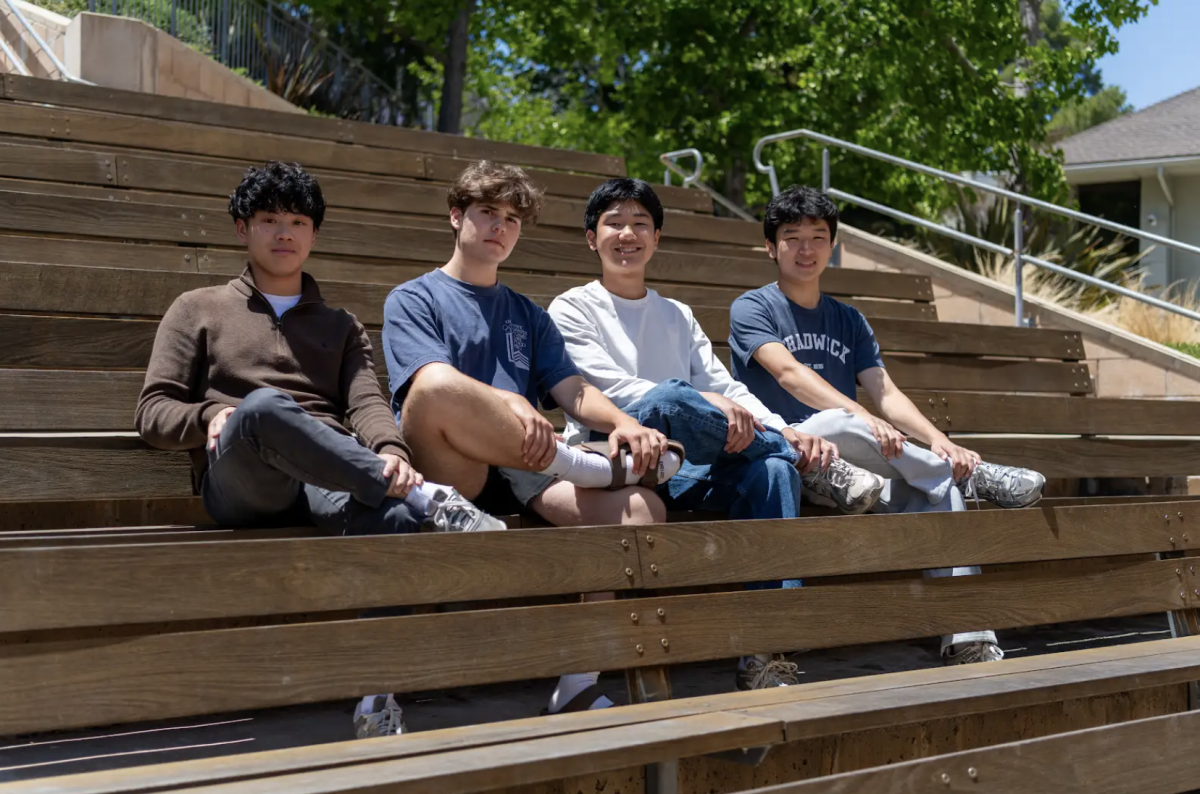
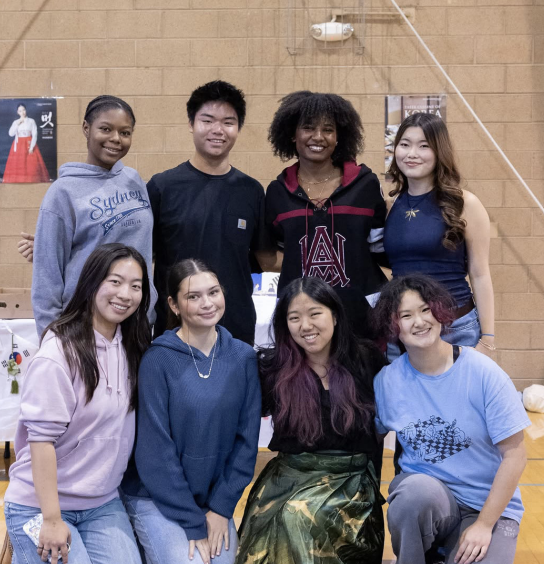



Every school has rules. But what truly defines a school like Chadwick isn’t what’s written in the handbook—it’s what’s lived on the Main Lawn, in Roessler and the library, on the trails of Outdoor Ed, and in those everyday, in-between moments when we laugh, vent, create, or simply sit together.
It’s the feeling of connection that turns a campus into a community.
Lately, that sense of connection has been challenged—not by any one person or policy, but by something many of us carry in our pockets.
Phones aren’t the enemy. In fact, they can add joy, humor, creativity, and community. Whether it’s filming a hype video, editing your Econ project, texting a friend who’s having a rough day, or just taking a much needed break, our phones have real value.
They allow us to stay in touch with people we love, explore ideas, and express ourselves. Sometimes, they are even the tools that help us feel seen.
But even the best tools, when overused, can get in the way of what’s right in front of us. And what’s right in front of us—every day at Chadwick—is something extraordinary. I’ve noticed something about myself: When I look up from my phone, I feel more engaged. I see my students and colleagues more clearly. I laugh more. I listen better. I notice a smile, a high five, a spontaneous dance move in the
amphitheater.
I’m reminded of why I love this work—because the energy of this place, especially the energy of you—our students—is contagious. When I put the screen down, I feel more grateful to be here, part of something real and vibrant and alive.
And I wonder what we might all gain if we just looked up a little more often.
You don’t get to experience the real Chadwick through your phone. The heart of this community isn’t on a screen. It’s in the face-to-face moments: inside jokes in class, late-night Global Program reflections, the way ev- eryone smiles and cheers when a peer does something special at Assembly. The magic of Chadwick is in the realness of those connections.
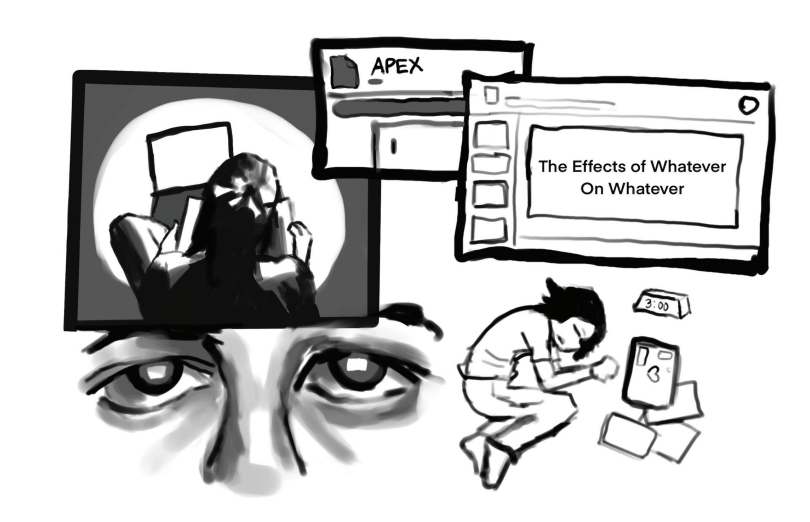
We all know that too much screen time can isolate us, but what’s harder to see is how that isolation affects the whole community. When we’re more distracted, we’re less present. And when we’re less present, something subtle—but important—is lost: a sense of belonging.
This isn’t just about phone policies or classroom norms. This is about the kind of school we want to be. Do we want to be a place where people feel seen, heard, and known?
Where conversations are real and laughter is shared without interruption?
Where your presence matters—not just because you’re physically here, but because you’re truly here?
That kind of community doesn’t just happen. It’s something we all create—by choice, by attention, by how we show up for each other.
Phones can still be part of that. They help us collaborate, connect, and share joy. But we also need spaces where presence is protected.
Where attention is given freely.
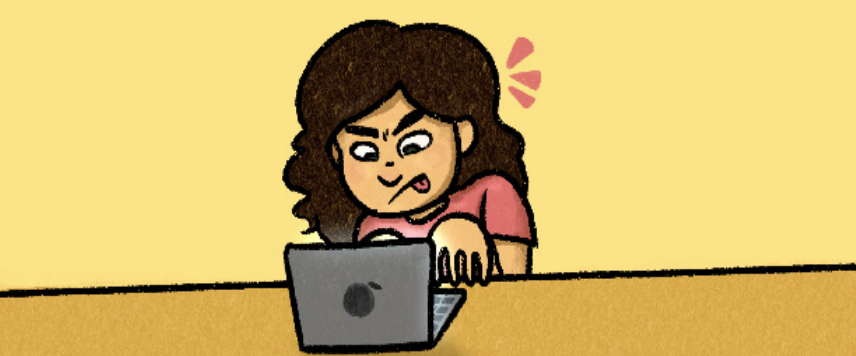
Where we’re not half-scrolling through someone else’s life while missing our own.
That’s why we must consider what is the proper role of phones during school—not to punish, but to protect what’s most valuable: each other.
In my 17 years at Chadwick, I’ve had incredible highs and some deeply challenging moments—both personally and professionally. Through it all, the constant has been this community.
When things have been hard, it has been the people here—students, colleagues, families—who’ve lifted me up. The love, support, and human warmth at Chadwick are what make it so special. At the core of that support is relationship—not perfection, not productivity, not performance—just people showing up for one another.
And that’s the kind of school I hope we continue to build together.
So yes, we’ll keep talking about technology. We’ll keep evolving policies. But let’s not lose sight of the deeper question underneath it all:
What kind of community do we want to be?
One that values presence
One that protects connection.
One that remembers to look up.
Because when we do, we see each other more clearly. And that, more than anything, is what makes this place come alive.
Patrick Wallace is the Assistant Director of the Upper School.