



















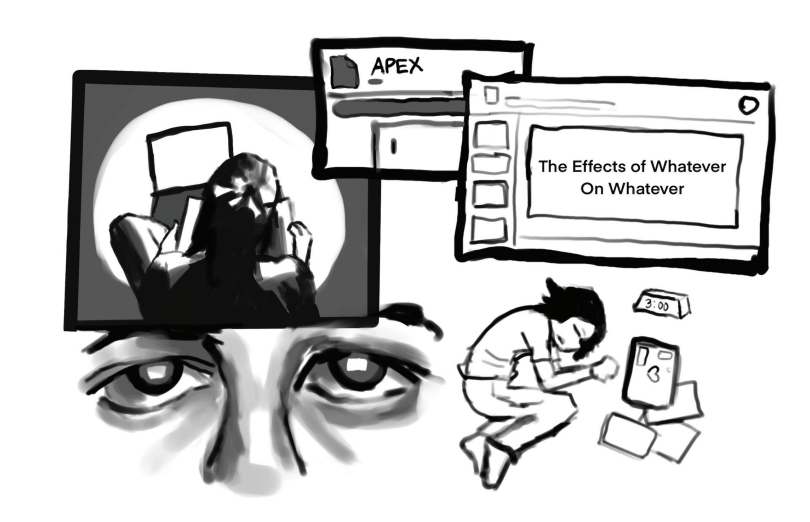




In an entirely unpredictable turn of events, the Class of 2026 has once again proven that Apex, the school’s capstone of intellectual curiosity and independent inquiry, is at its core, a masterclass about time management and time compression. Some might argue it’s the most valuable lesson a Chadwick education has to offer.
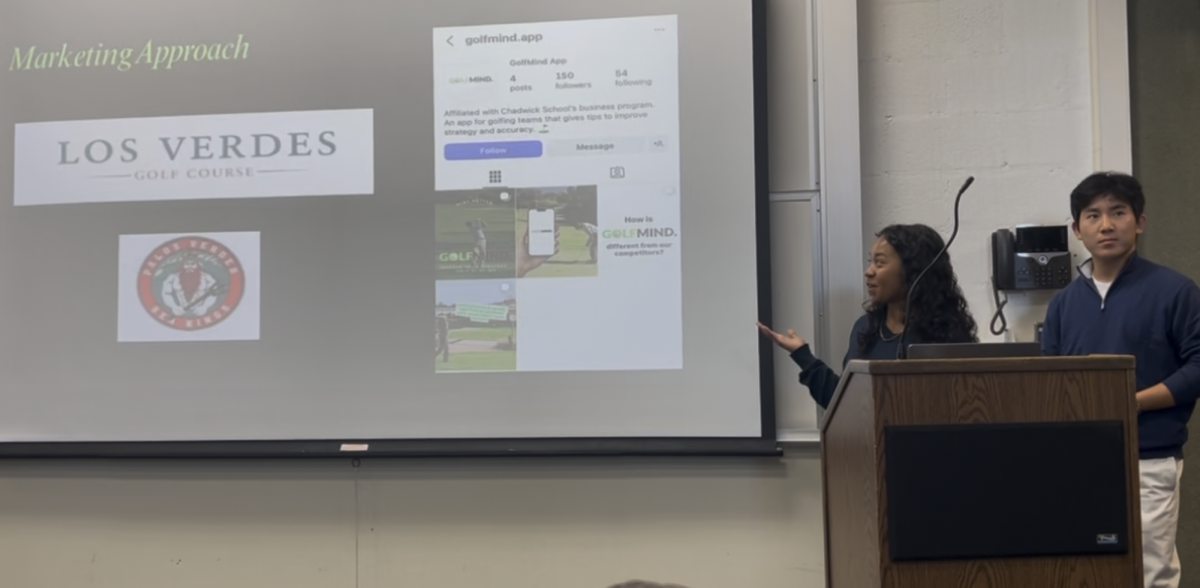
Apex, in theory, is a months-long exploration of passion, research, and growth. In practice, it is a beautifully choreographed cycle of opening a Google Doc, renaming it “Apex Draft,” ignoring it for three weeks, and then heroically putting together an aesthetically pleasing slideshow (template taken from SlidesGo) and maybe an Instagram account with 4 followers or a Google Site.
This methodology is both time-tested and widely practiced. After all, why spend months developing a thoughtful, well-paced project when you can instead experience the full emotional arc of denial, bargaining, urgency, and cortisol spike in a single evening? Apex teaches both time management and, more importantly, time compression.
Year after year, underclassmen and juniors are warned about Apex like it’s a generational curse. The horror stories are passed down, the consequences spelled out again and again, and yet, somehow, the pattern remains entirely untouched. A longitudinal study conducted over the
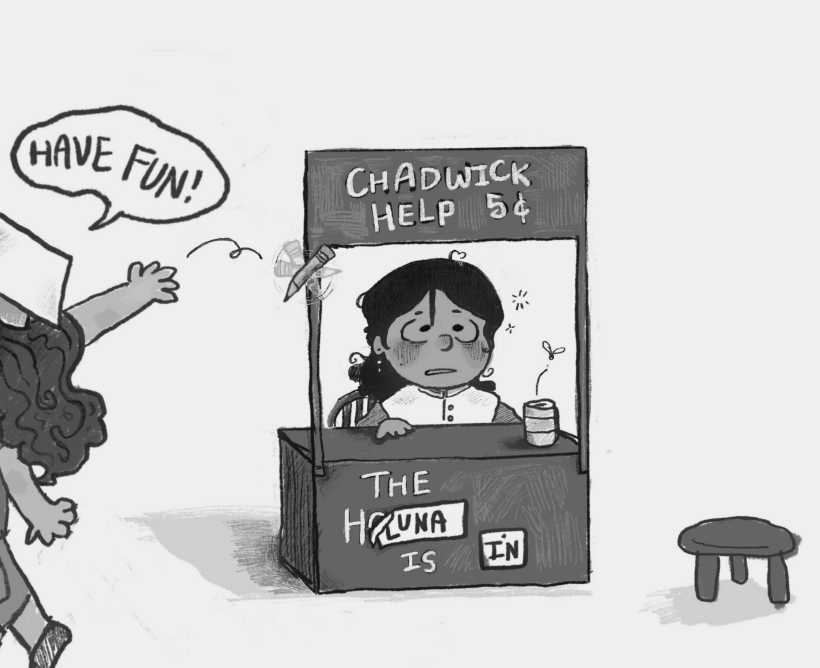
Senioritis, it turns out, is not a sudden-onset illness. Because if there’s one thing seniors are exceptionally good at, it’s pulling something together at the last possible moment and then saying, with complete sincerity, “Honestly, I think I do my best work under pressure.”
Do we? Or have we just never tried doing it any other way?
Apex only amplifies this phenomenon. It gives us months of freedom, which we convert into weeks of avoidance and days of mild concern. By the time we actually start, the project has become less about exploration and more about damage control.
And yet, somehow, the final products still come together. We all nod as if this was the plan all along. In a project designed for depth, nuance, and sustained inquiry, we have achieved something arguably more impressive: efficiency.
Of course, in another universe, Apex produces work that students are proud to revisit years later. Apex has the potential to produce something far more substantial. Given enough time, consistency, and actual engagement, students could create work that is thoughtful and genuinely meaningful.
But the beauty of Apex lies in its flexibility: whether you spend three months researching or three hours assembling it the night before, the applause from the audience sounds exactly the same the day of.
So perhaps Apex doesn’t need to be abolished. Perhaps it simply needs to be renamed. “Apex: A Study in Productive Procrastination.”
Because if the goal was to prepare us for a world that rewards polish over process, then Apex has done its job perfectly (Mission accomplished!). We’ve learned that we are capable, resourceful, and, most importantly, incredibly committed to not starting things until absolutely necessary.
And honestly? That might be the most transferable skill of all.