


























The war between Hamas and Israel, which started in October of 2023, has resulted in the death of over 70,000 Palestinians, according to Gaza’s Hamas-run health ministry. As of December X, there has been progress on an ongoing plan for a ceasefire.
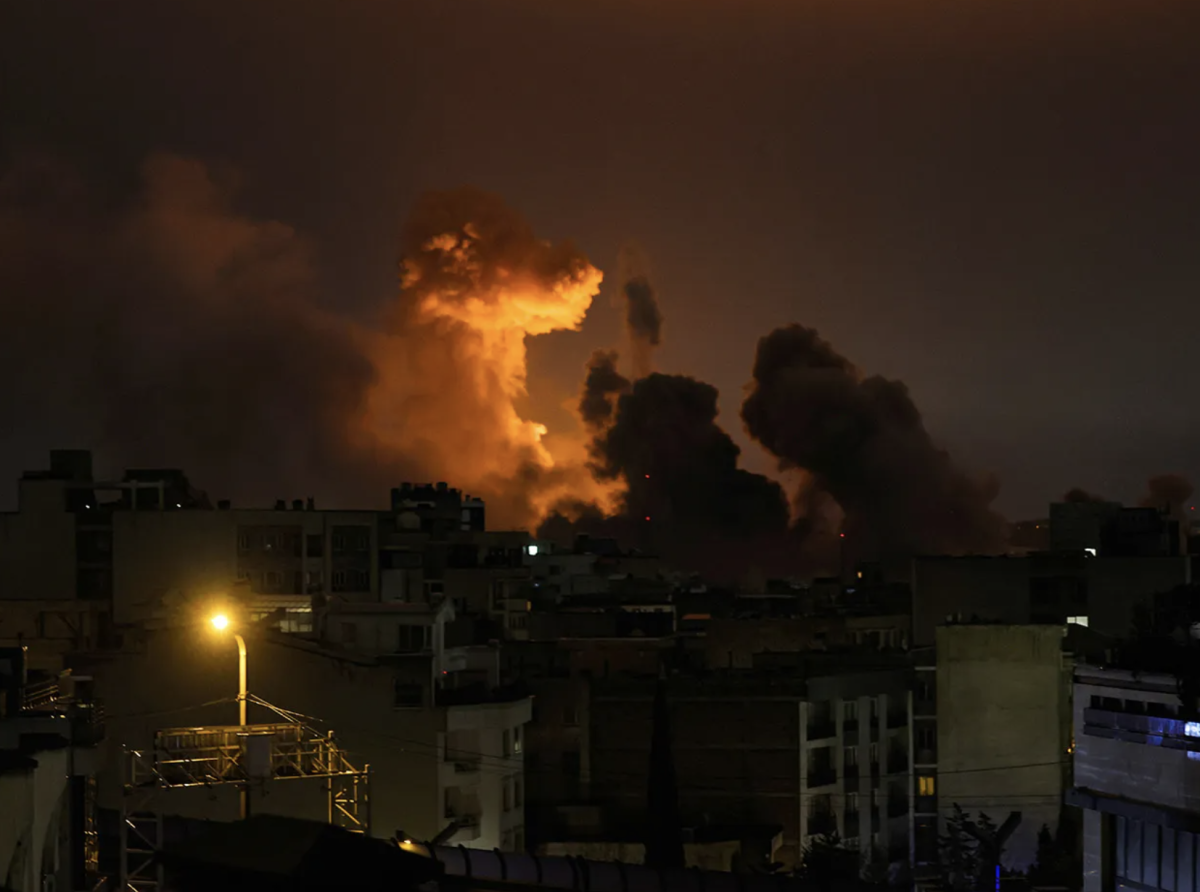
The humanitarian situation in Gaza remains dire. According to recent UN-linked assessments, only a fraction of Gaza’s cropland is still intact and accessible, and hundreds of thousands of families face winter with inadequate shelter and limited resources. On Dec. 7, reports showed that Israeli forces struck Gaza—including a child among the wounded—even as mediators warn that a ceasefire is at a “critical moment”.
The day before, at least seven Palestinians were killed in Gaza, including a 70-year-old woman and her son, who were stalked, then killed by an Israeli quadcopter drone.
A US-brokered ceasefire on Oct. 10 of this year was supposed to temporarily end the ongoing bloodshed in Gaza, but the death toll continues to rise through sporadic attacks and violations.
Benjamin Netanyahu, the Prime Minister of Israel, states that the first phase of the truce plan is complete. This phase included release of the last hostages held by Hamas in exchange for Palestinian detainees and partial Israeli withdrawal in Gaza.
Meanwhile, Hamas officials have indicated that they are open to discussing freezing or storing weapons as part of the deal—-a sign of potential compromise, though full disarmament remains contentious.
In a statement provided by the Guardian, Netanyahu said, “In order to advance our hostages’ release and to ensure that Gaza no longer poses a threat to Israel, we have to finish the job and defeat Hamas.”
Even under the ceasefire, tens of thousands remain displaced, and basic needs like water, food, and shelter are not met.
Aid and access still remain severely restricted. For example, the border crossing at Rafah has been opened only for people leaving Gaza, not the entry of humanitarian aid, limiting relief efforts.
On the Israeli side, the Israeli Defense Force approximates 2,000 Israeli casualties, with 1,200 from the initial Hamas attack on Oct. 7, 2023, and another 800 from resulting offensives over the course of the year.
Internal clashes continue. On Dec. 4 of this year, a local militia leader backed by Israel was killed in a shootout near Rafah, indicating that tensions and rivalries inside Gaza remain high. Earlier in October, reports emerged that Hamas carried out a wave of extrajudicial killings, executing dozens of people accused of collaborating with Israel or being “lawbreakers.”
Tens of thousands of Israelis have flooded the streets of Tel Aviv, Jerusalem, and other cities, demanding that the government secure the release of hostages still held in Gaza and calling for a ceasefire instead of further escalation. Their core message: bring back the hostages and end the war. Many argue that further military action will only endanger the remaining captives and may prevent their safe return.
Some politicians warn that yielding too soon could threaten national security.
“Those who today call for an end to the war without defeating Hamas not only strengthen Hamas’s position and delay the release of our hostages, they also guarantee that the horrors of October 7 will be repeated again and again,” Netanyahu stated to French newspaper Le Monde.
With ongoing war and tensions, Israel is grappling with security threats, not just in Gaza. There are concerns on multiple fronts, including potential spillover effects involving neighboring regions, like concerns about rearmament or conflict via neighboring countries.
The situation in Gaza now stands at a critical inflection point. Progress in ceasefire negotiations offers a rare opportunity to reshape security arrangements and humanitarian access, yet the challenges from political mistrust to devastated infrastructure are immense.