





The Feb. 22 murder of the leader of the top Mexican cartel has caused unrest and violence throughout Mexico.
Nemesio Rubén Oseguera Cervantes, the most wanted head of the powerful Cártel Jalisco Nueva Generación (CJNG), had an extensive history of drug-dealing and drug-smuggling since his teens. His nickname, “El Mencho,” has no known meaning.
CJNG has thousands of members across the globe and is known for brutal acts of violence along with trafficking lethal drugs like fentanyl. After the murder of El Mencho, CJNG members across Mexico have lashed out.
Originally born to farmers in the small town of Aguililla, Michoacán, El Mencho had an unusual rise to power. As a teenager he snuck into San Francisco and tried to start a drug-trafficking business. Between 1986 to 1992, he was arrested three times. After the third arrest, he was deported to Mexico before establishing his drug-smuggling business again in Tijuana, the popular border town for drug exports.
However, a stronger cartel, Los Zetas, forced him to leave the area after he started to gain power. El Mencho later joined and rose through the ranks of an established, powerful cartel named the Sinaloa Federation and eventually settled in Guadalajara, Mexico’s second largest city.
In 2010, dissatisfied with shifting leadership, El Mencho led a successful rebellion against cartel leaders and created CJNG. He controlled several important drug trafficking routes and centers in Mexico and established CJNG as the dominant cartel by exploiting extreme violence, corrupt officials and police, and extremely loyal members.
According to The New York Times, “El Mencho” was caught last month by authorities who followed his lover into his hiding place in a cabin. Following his capture, a firefight led to several deaths, who were all presumed to be cartel members.
El Mencho was declared dead on Feb. 22 from gunshot wounds, and his death has been considered an achievement for Mexican authorities. His family carried the 59-year-old’s gold casket to the cemetery, surrounded by masked individuals.
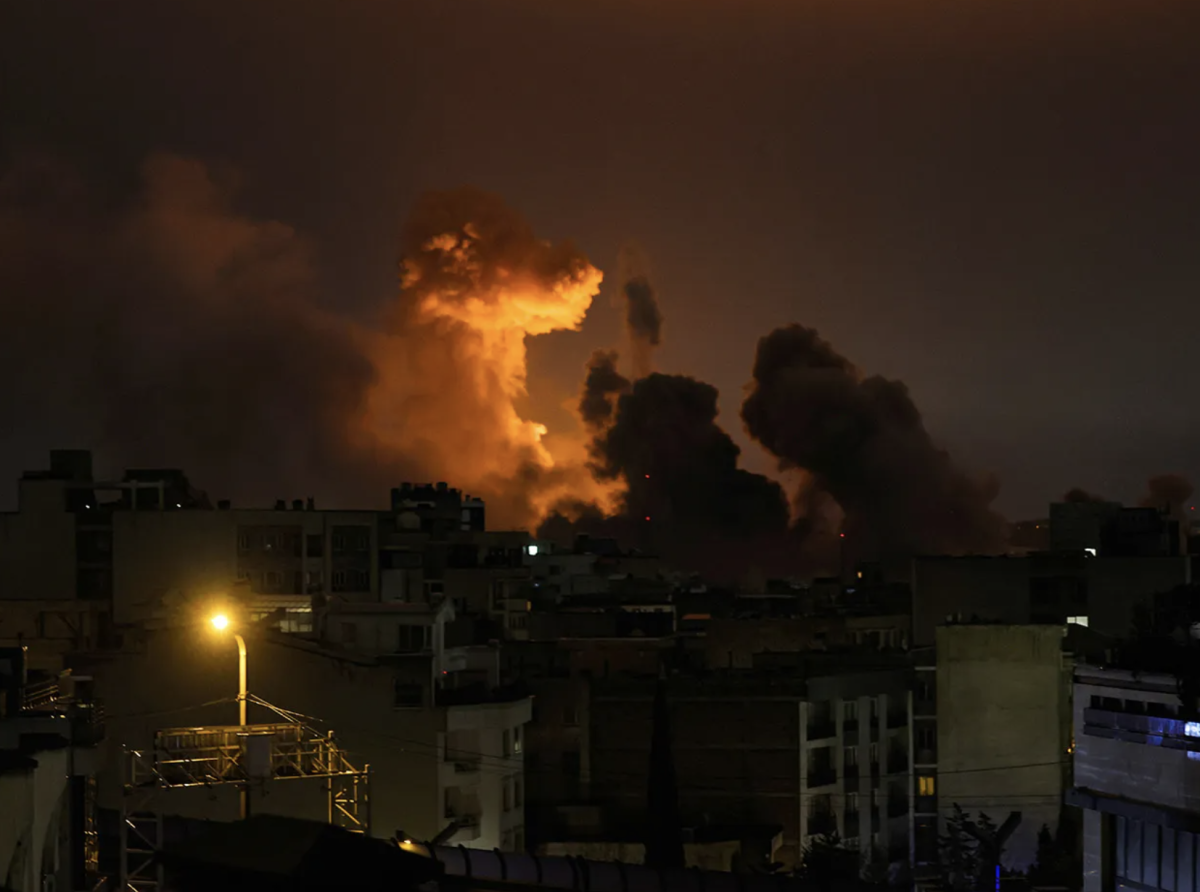
In retaliation, CJNG members across Mexico blockaded roads and set fire to businesses, banks, and vehicles. Ongoing violence included street battles between cartel members and security forces.
Amidst the chaos, citizens and global onlookers have begun to question Mexico’s stability: will the country be able to get a hold of the chaos before they host the FIFA World Cup this summer? In attempts to mitigate potential dangers, Mexican authorities will station 100,000 security workers around the stadiums, attempting to reassure citizens and tourists during the World Cup.
Furthermore, because El Mencho did not name a clear heir, the remaining leadership vacuum at the head of CJNG has prompted uncertainty. While the cartel has enough power and influence to continue operations without El Mencho, Mexican citizens and authorities fear further violent outbreaks between members and opposing gangs.
Since the attacks have been throughout Mexican states and major cities, like Guadalajara and Puerto Vallarta, local residents live in fear and only leave their homes when necessary, unsure when the chaos will completely end or when it will be safe. Several tourists were stranded due to flight cancellations, and the United States government advised its citizens and government workers in the country to shelter in place and work from home.
While most routine procedures slowly come back, violence is still rampant: both civilians and military members have been injured and killed. Several experts argue that while El Mencho’s death suggests progress in Mexico’s crackdown on drugs, the fallout could incite even harsher conflicts.
With U.S.-Mexico tensions high, President Trump continues to push for an intervention and is being met with national sovereignty arguments from Mexico’s President Claudia Sheinbaum. She has argued that America should deal with its own issues of drug abuse and illegal gun smuggling, forcing the government to think about their priorities.