












Around the world, Gen Z youth have been leading new waves of protests against corrupt governments using an anime named One Piece as a symbol of their resistance.
In Kenya, young people have been protesting against the government about increasing unemployment and corruption caused by elites. This specific uprising broke out after the government announced tax hikes in 2024, causing consumer prices to rise significantly.
In June of 2024, the Supreme Court of Bangladesh reinstated a quota system reserving 30% of civil-service jobs for descendants of veterans of the Liberation War. Many young citizens argued that the non-merit based change favored the entrenched political elite. Underlying grievances of these protests also include high rates of unemployment and Bangladesh’s authoritarian governance. Protesters used social media to bring awareness to these problems, showing inequality and the privilege of elites.
Recently in Madagascar, thousands of young protesters took to the streets in the capitol, Antananarivo, and other cities to demand the resignation of President Andry Rajoelina. The initial spark for this movement was recurrent water and power outages, but the focus of the protests quickly broadened to tackling corruption and demanding systemic reform. President Rajoelina was promptly forced out of power.
The government responded to this uprising by dissolving the Cabinet, yet protests continue. The UN estimates that at least 22 people have died from security forces using tear gas and stun grenades on protestors. Observers suggest that this movement in Madagascar was explicitly inspired by other similar youth uprisings in Nepal.
On the fourth of September, the Nepali government banned 26 major social media platforms, including Facebook, X, Youtube, WhatsApp, and Instagram. Many young people viewed the ban as an unlawful seizure of digital expression, leading to a broader uproar about high youth unemployment and constrained economic opportunities, corruption, and nepotism. Citizens criticized how out of touch the government officials were, highlighting the lavish lifestyles of them and their children.
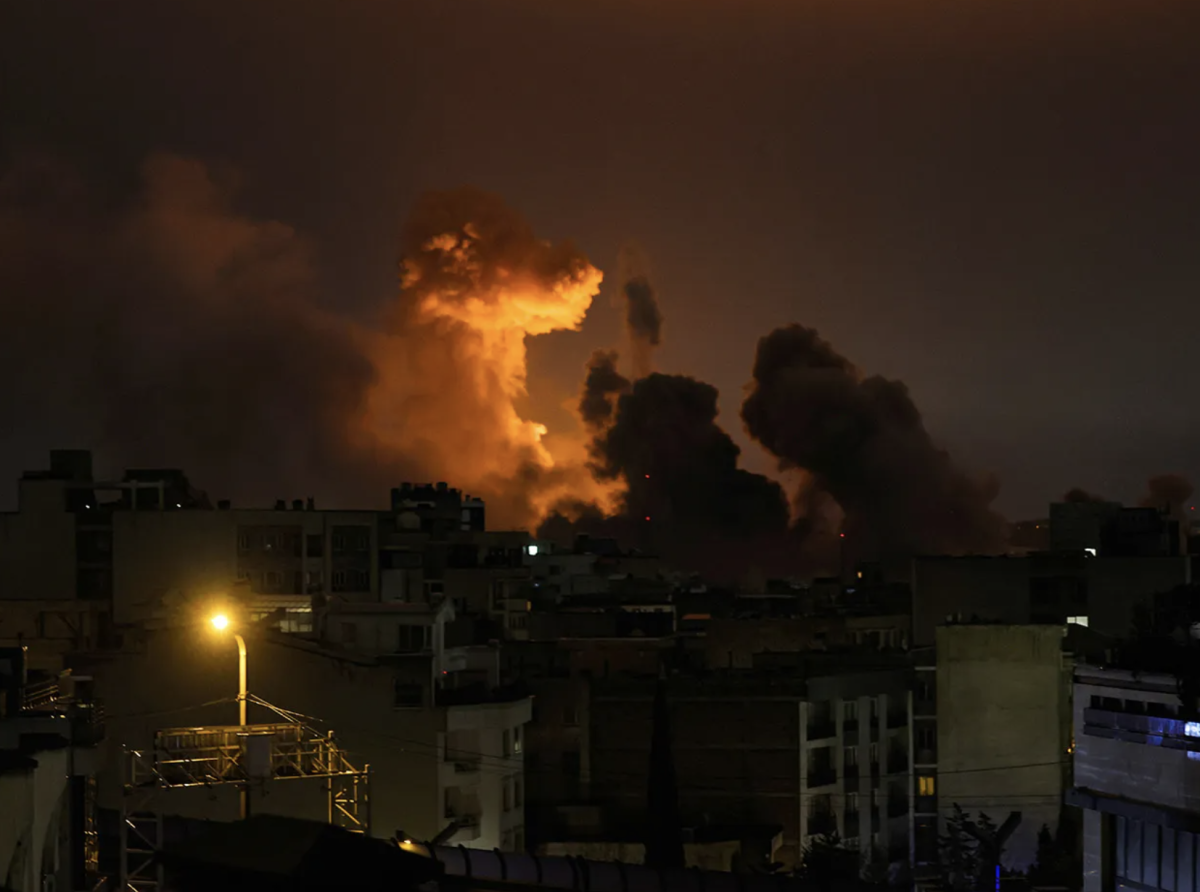
Thousands of young protesters flooded the streets of the cities of Nepal. Only a few days later, this uprising became rapidly violent as government forces began to respond. Clashes turned violent, and protesters began attacking the homes of government officials. The protests led to the forced resignation of the Nepali prime minister, K.P. Sharma Oli, on September 9, and the government lifted the social media ban in response to the protests.
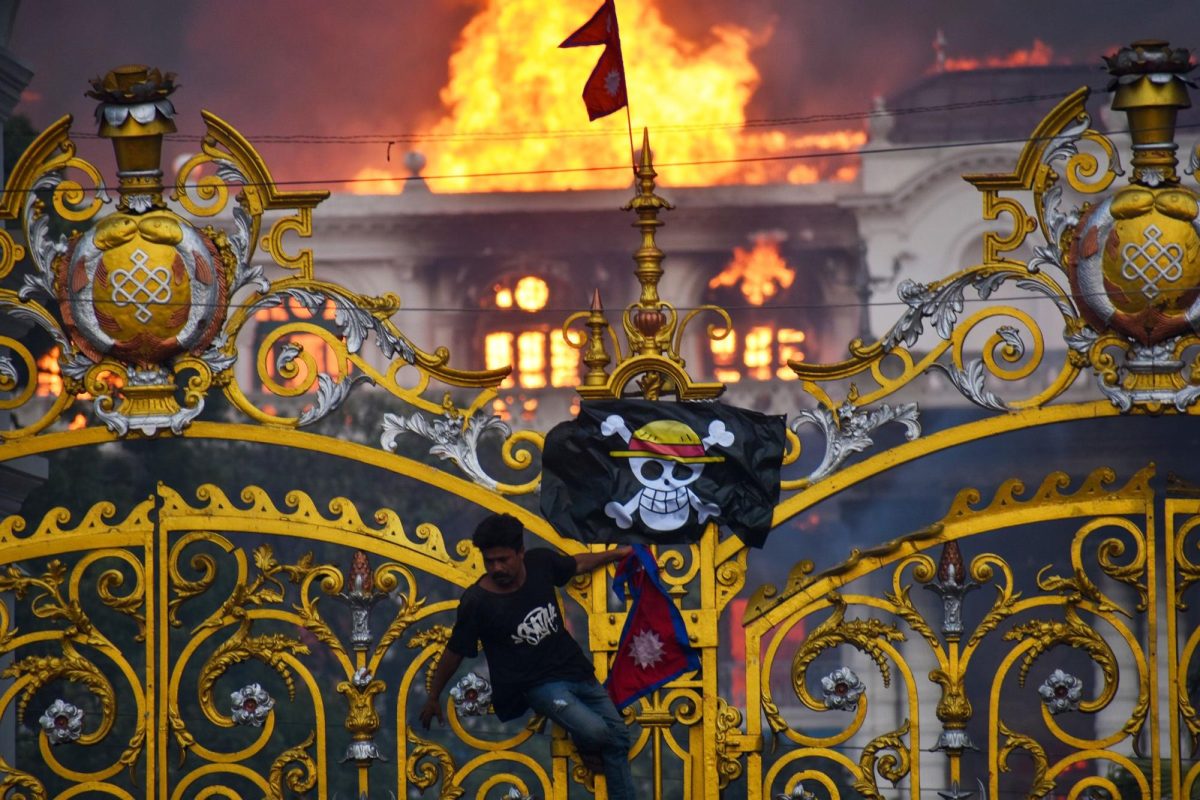
Across the world, Gen Z protesters followed each other and used a shared symbol: a flag that comes from a popular anime, One Piece. The anime series follows a crew of pirates as they battle powerful enemies. Protesters are using this icon as a symbol of resistance and resilience.
On September 9th in Nepal, protesters hung the One Piece flag on the gates of the parliament as it burned. In the capital of Peru, protesters held the same flag on the front of the stage for their protests.
The root causes of these uprisings and protests in these countries are the depravity caused by corrupt governments and insufficient care for citizens. The youth and future of these countries joined together to fight back against the corruption that has continued for generations. One Piece has brought thousands of brave youth protesters together in a joint battle against iniquity.