




























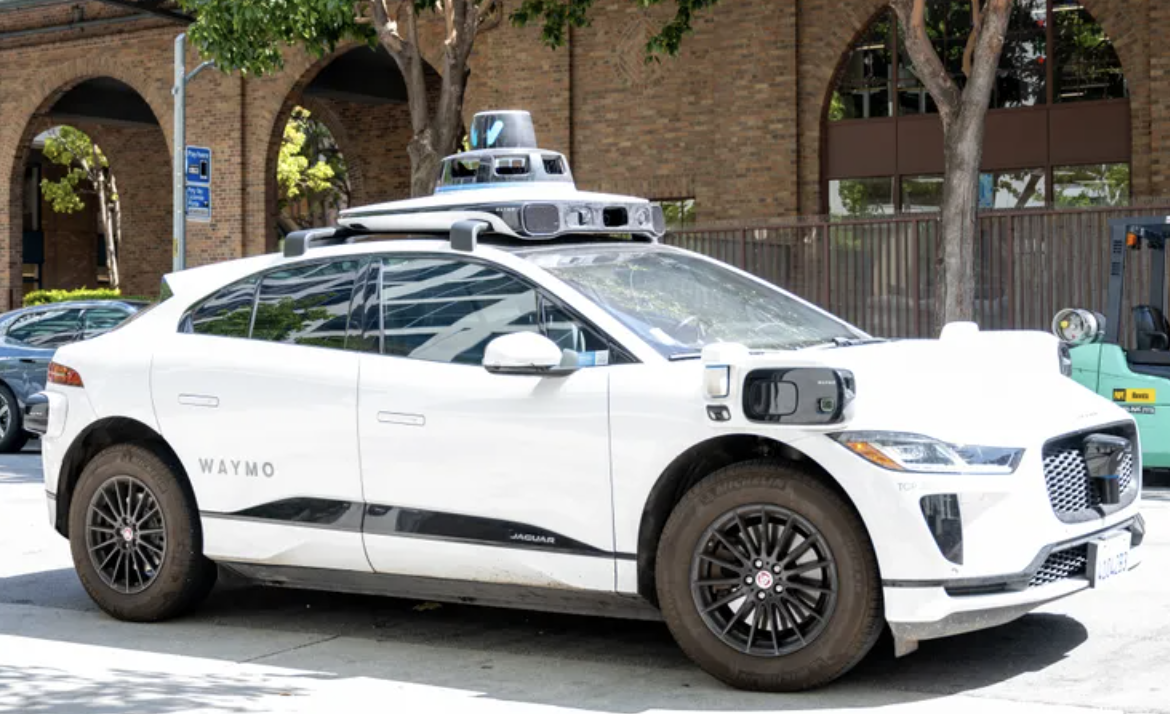
Whether you are on social media or driving on the highway, there’s a chance that you might see a self-driving Waymo or Tesla. In 2023, there were approximately 21,000 self-driving cars on roads in the United States. Autonomous vehicles, or self-driving cars, are an increasingly visible part of America’s transportation future.
Recently, the Trump administration has taken steps to weaken federal rules regarding autonomous vehicles. The actions have created controversy and sparked debate about safety and innovation.
According to Reuters, some federal transportation officials in the Trump administration have suggested changes that would decrease regulations for companies that produce autonomous vehicle (AV) technology, including increasing the exceptions from typical vehicle safety regulations. The officials argue that the updates are needed to reflect modernized technology rather than out of date standards.
Some of the reasons behind the advocacy for reduced standards can be attributed to economic competition. According to The Wall Street Journal, Trump administration officials see AVs as a large component of international competition for advancing both artificial intelligence (AI) and transportation technology.
People who support the administration’s approach say that the existing regulations potentially undermine the United States’ innovation and enable foreign countries, such as China, to outcompete the U.S.
Congress is also a significant factor in transforming AV policy and regulations. According to the Associated Press, members of Congress are debating laws that would create a general foundation for AVs. The laws would have the potential to reduce states’ abilities to create their own regulations. Instead, most of the decisions would be made at the federal level . Some who argue for the proposed general foundation claim that it would allow AVs to spread throughout the U.S. more quickly as well as provide transparency for AV companies.
However, advocates for safety have concerns regarding the proposed changes and are worried that easing crash-reporting requirements could actually reduce transparency and make it more difficult for regulators to identify risks related to self-driving technology.
According to the New York Times, families of crash victims and consumer safety groups have advocated for officials to keep the standard reporting and testing regulations. The main essence of the argument is that AVs are not dependable. Critics also warn that allowing companies to self-report data could lead to a lack of accountability and credibility.
Furthermore, the situation sparked debate about states’ authority. Reuters acknowledges that while states like Texas and Arizona encourage autonomous vehicle testing, other states prefer stricter laws and regulations. A federal framework could override the state rules, causing critics to raise concerns about local authority.
No matter people’s stance on whether or not AVs should be allowed on the road, technology—especially artificial intelligence—seems to be growing faster than people can manage.