












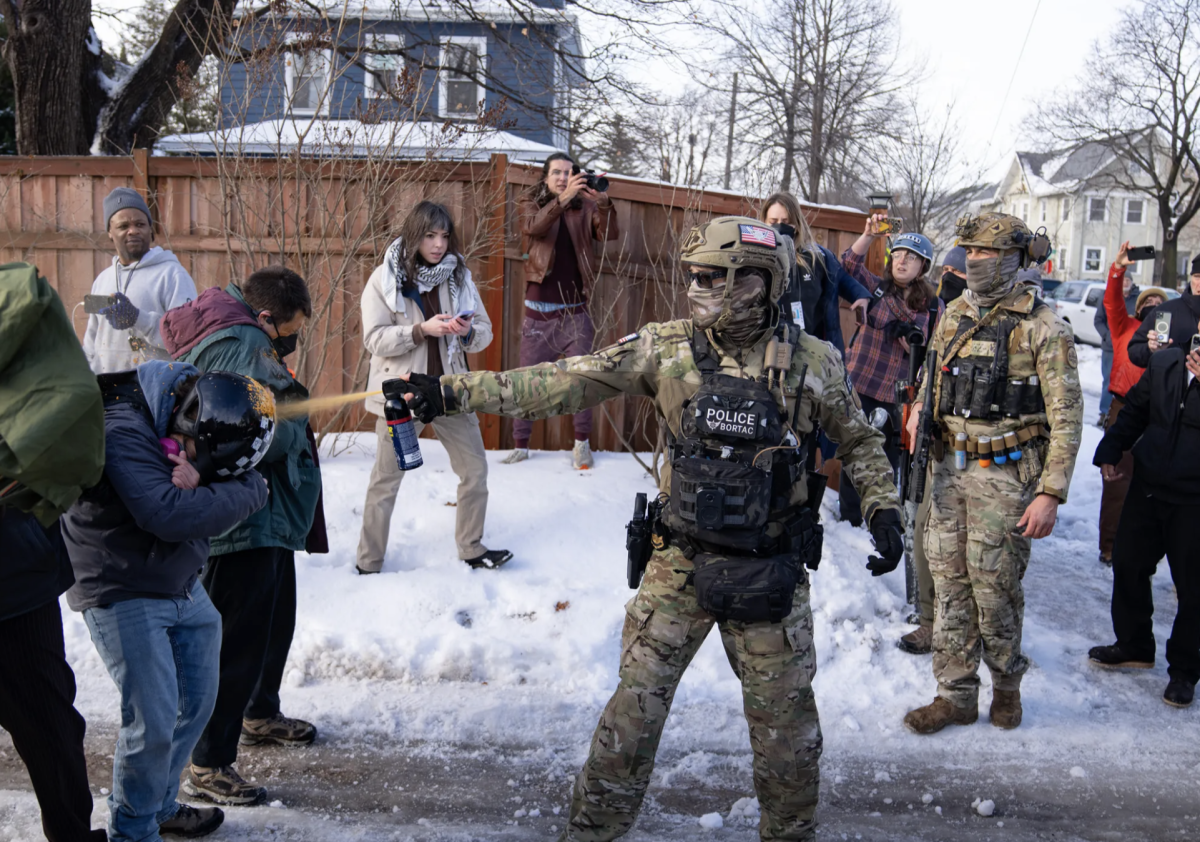
On Feb. 4, federal officials announced a partial removal of U.S. Immigration and Customs Enforcement (ICE) personnel from Minneapolis, Minnesota after weeks of public outcry over shootings involving federal immigration agents.
In January, ICE agents shot several individuals in Minneapolis during immigration enforcement operations that officials described as “dangerous encounters.” Statements claim that agents believed their lives or the lives of others were at risk at the time.
On Jan. 24, Alex Pretti, a 37-year-old intensive care nurse for the U.S. Department of Veterans Affairs, was shot and killed by federal officers near a protest related to immigration enforcement in Minneapolis. On Feb. 2, the Hennepin County Medical Examiner ruled his death a homicide caused by multiple gunshot wounds. Federal officials said agents fired at Pretti, who was carrying a holstered and legally permitted handgun, after believing he was an imminent threat to their safety, while attorneys for Pretti’s family and video footage shared raised questions and doubts..
Just two weeks earlier, on Jan. 7, 2026, 37-year-old Renée Nicole Good was shot and killed by ICE while driving in Minneapolis. A mother of three, Good had just dropped her son off at school when she encountered federal agents conducting an immigration enforcement operation as part of the Trump administration’s Operation Metro Surge.
Multiple witness accounts and videos show that Good’s vehicle was stopped when a federal officer, later identified as ICE agent Jonathan Ross, fired multiple shots at Good while she was still behind the wheel of her SUV. She was taken to the Hennepin County Medical Center but was pronounced dead.
Investigations into the January shootings are being handled at the federal level. As ICE agents are federal officers, reviews of their use of force fall under the authority of the Department of Justice and the Federal Bureau of Investigation (FBI). As of early February, no final determinations regarding criminal charges and violations have been publicly released in the Minneapolis cases.
The public’s response to the shootings has included demonstrations across Minneapolis. Protests have taken place near federal buildings and in neighborhoods where enforcement actions occurred. Local officials, including the members of Minneapolis City Council, have asked for patience and calm while requesting clearer communication from federal agencies.
On Jan. 30, activists across the United States organized a national shutdown as a response to the killings of Good and Pretti. Protesters staged walkouts and boycotts, blocked major roads, and shut down national buildings. The organizers said the goal was to disrupt “business as usual.”
This coordinated protest became marked as a nationwide statement against ICE.